Testing and scalingGuide
Meta Andromeda: what creative variety changes
Short answer
Meta describes Andromeda as an ads retrieval system, not a fixed creative-production formula. Use that engineering context to ask whether your assets represent distinct ideas, then plan messages and evidence deliberately. The paper does not establish a universal creative count, promise reach for variations, or validate superficial duplicates as useful variety.
A creative-count recommendation cannot be derived simply from the name Andromeda. Read Meta’s engineering account at its stated scope: ads retrieval within a larger system. Keep those documented facts separate from proposed production choices, and plan meaningful creative differences without turning an architectural description into a prediction about an advertiser’s results. Keep that system context separate from the observations discussed in our creative fatigue guide.
Start with what Meta actually describes
Meta’s Meta Engineering: Andromeda retrieval, published in December 2024 and checked on 11 October 2026, describes Andromeda as a personalized ads retrieval engine. Retrieval selects candidate ads for later stages of a recommendation system. That is the limited technical fact this guide uses.
The engineering post discusses infrastructure and model design. Its reported system findings are not results from your campaign, and this article does not transfer those numbers into a production promise. Keep the distinction between an account-level creative decision and a platform-level system description visible whenever the research is cited.
Keep the inference labeled as an inference
A reasonable production question is whether the library offers clearly different messages and visual approaches. That is an editorial inference from the need to represent creative choices, not a direct instruction from the engineering post.
Do not claim that a particular number of ads, background changes, or visual formats will produce a defined delivery outcome. The cited source does not establish that recipe. A useful plan names the message, evidence, and intended difference for each candidate. It remains a plan to test, rather than a claim that the retrieval system must favor it.
| Statement | Scope |
|---|---|
| Andromeda is a retrieval system | Meta’s engineering description |
| Distinct ideas should be visible in our plan | Suggested production method |
| One creative count suits every account | Not established by this source |
| A style change promises wider delivery | Not established by this source |
Source: Meta Engineering, Andromeda retrieval post, checked October 2026; production distinctions are suggested here.
Define difference at the message level
Read the candidate scripts without looking at their filenames or styles. What question does each answer? What evidence does each show? Two exports can look different while making the same argument in the same order.
In our production in October 2026, batch writing avoids interchangeable hooks, turns, and endings. That is an internal production rule. It makes conceptual repetition easier to identify before rendering, without pretending to measure how the platform categorizes the ads. Keep your own concept labels separate from any undocumented platform grouping.
Hypothetical bottle variations illustrate a production proposal, while Meta’s engineering post describes the retrieval system. One does not prove the other. A team can choose different arguments and evidence because those differences are useful to describe and review, without claiming that the retrieval architecture requires a particular number of files. Keep the source facts and proposed creative decisions separate in the research record and the brief.
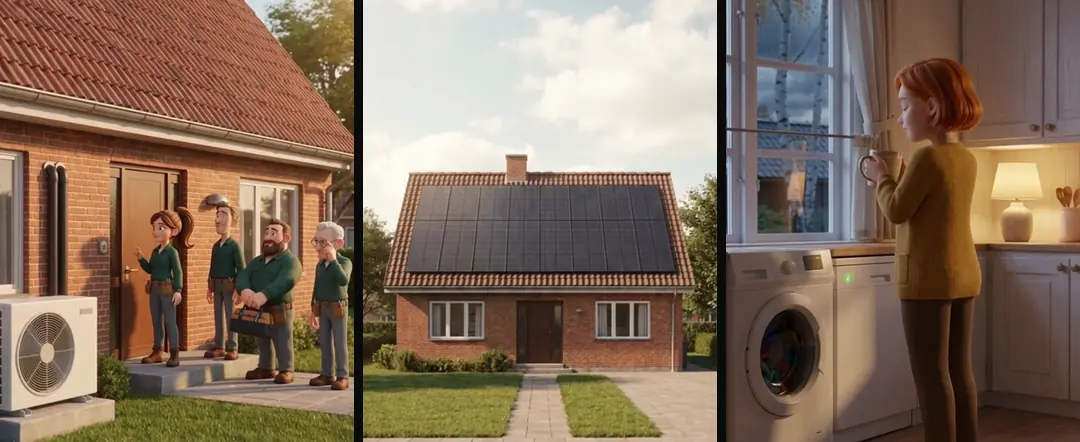
Distinguish a new idea from a version
A new product explanation can justify a new concept record. A changed opening on the same body is a narrower iteration. A translated approved message is a language version. Each can be useful, but they answer different production needs.
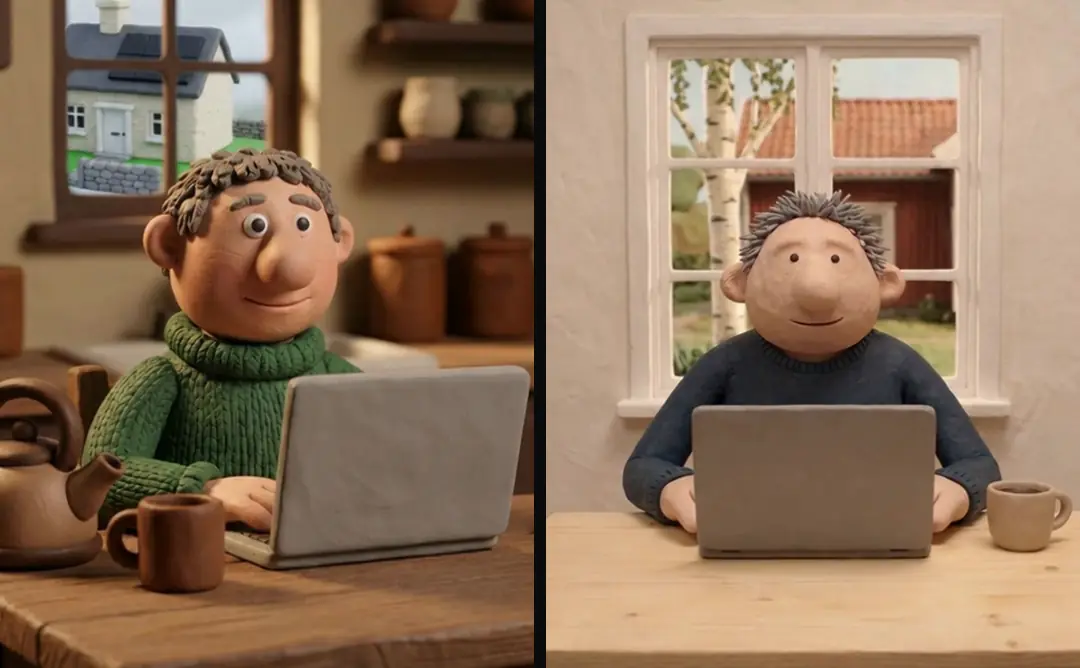
City and language versions of one approved ad explains place and language versions. Preserve their shared body and review the local changes rather than counting every export as a new argument. A matrix that separates concept, language, opening, and style shows where the actual variety sits. This makes the production plan more honest and the eventual test record easier to interpret.
Match each idea with real evidence
Distinct claims need appropriate sources and footage. Do not invent a new product benefit merely to increase message variety. If the evidence supports only a narrow action, build distinct explanations around legitimate user questions or obtain more source material.
For a hypothetical container, finding an item and opening the lid may be separate visible stories. A supposed long-term result would need separate support. The technical existence of a retrieval engine does not relax that evidence requirement. Production should remain truthful even when there is pressure to make more candidates quickly.
- 01Read the source at its scopeRetrieval engineering
- 02Map supported messagesDistinct arguments and evidence
- 03Label concepts and versionsAvoid inflated variety
- 04Plan a bounded comparisonRecord circumstances
Design tests that preserve the changed factor
Keep an ad test hypothesis log you can act on covers a hypothesis log. Write what the candidate changes and what observation would help choose the next production step. Keep the evaluation question at the same scope as the change.
If a new concept changes script, footage, and presentation together, do not attribute its result to one caption color. If a small opening test holds the body fixed, preserve that shared source exactly. The creative record should let another person see what was compared without relying on a broad platform narrative to explain every difference afterward.
- Documented engineering factMeta describes retrievalSuggested production inferencePlan visibly distinct ideas
- Documented engineering factSystem-level researchSuggested production inferenceTeam-level creative decisions
- Documented engineering factNot an individual campaign forecastSuggested production inferenceTest before drawing a conclusion
Record the circumstances around the comparison
Creative test confounders: when a result is unclear covers confounders such as different audiences, placements, times, and setup. Those conditions can make a simple side-by-side story misleading. Do not use Andromeda as an all-purpose explanation when several things changed.
Keep the actual creative versions and account observations in the record available to the responsible reviewer. Mark unresolved causes as unresolved. A disciplined conclusion can be “this comparison does not isolate the opening,” followed by a smaller next test. That is more useful than assigning the result to a technical system whose internal decision was not observed.
Turn the research into a bounded production plan
Choose a set of messages the team can support, produce, and review. Give each an ID, evidence source, distinct opening or explanation, and a clear next question. This is a suggested production response, not an official Meta creative-count rule.
Turntake’s production workflow describes Turntake’s workflow. Keep the source link and date with any durable statement about Andromeda. The useful outcome is an informed plan with honest scope: engineering context from Meta, editorial choices from the team, and campaign conclusions only where the actual comparison supports them.
Who wrote this We made the ads first, for SmartSolar in Denmark, Sweden and Ireland. Then we built Turntake. Where Turntake comes from
FAQ
What does Andromeda do according to Meta?
Meta’s engineering post describes it as a personalized ads retrieval engine. This article uses that system-level description as context. It does not treat the post’s infrastructure findings as results for an individual campaign or a fixed advertiser production recipe.
Does the post prescribe how many creatives I need?
No universal creative count is established by the cited engineering source. Plan the messages, evidence, team capacity, and interpretable tests you actually have. A production recommendation should remain labeled as a recommendation rather than an official system requirement.
Are different colors enough to count as new ideas?
Color changes are presentation iterations unless the underlying message and evidence also change. They may still be worth testing for a specific question. Keep concept labels separate from version labels so the plan does not overstate its conceptual variety.
Can Andromeda explain a result by itself?
Do not assume that it can. Review the actual versions and circumstances, including audience, placement, timing, and setup. If several factors changed, mark the cause unresolved and design a narrower comparison instead of assigning the result to an unseen system decision.
Sources
- Meta Engineering: Andromeda retrieval checked 11 October 2026
Facts from the sources below were checked on the date shown. Pages change, so read the source again before you rely on it.