Testing and scalingGuide
Pretest ads with synthetic personas: compare pairs
Short answer
Use synthetic personas to compare two ad versions and collect reasons, not to forecast sales or represent a real population. Hold the brief constant, require a choice, balance presentation order and inspect the raw explanations. Treat the result as a clue about clarity or objections, then confirm useful hypotheses with observed audience tests.
Define the question before creating personas
A synthetic persona pretest is most useful when the team has a specific creative uncertainty: which opening explains the object sooner, which phrase causes confusion or which ending makes the next action clearer. Treat the simulated responses as prompts for revision and further testing, with no claim that they establish real audience performance.
In our production in October 2026, the pretest method compares pairs, requires reasons and keeps the result separate from a sales forecast. creative fatigue meta ads covers the broader fatigue problem. A fictional reader can help expose an ambiguous explanation, but their answer does not establish how a real audience will behave in a feed or whether the ad will achieve its business objective.
Suppose two hypothetical timer openings differ mainly in when they name the object. Synthetic personas can help inspect which phrases appear confusing from defined perspectives. Keep their responses separate and avoid treating the exercise as a representative sample of customers. The useful outcome may be a clearer noun or a more explicit scene. It does not establish a winning ad, a measured audience preference or the performance of either opening.
Give each persona a situation, relevant concerns and level of familiarity with the product. Avoid pretending that a handful of demographic descriptions represents an entire market. The perspective is an input to the exercise, not a sampled person.
For a hypothetical workshop product, one persona could be unfamiliar with the mechanism while another has used similar equipment. Their reasons may reveal different assumptions in the script. Do not assign unsupported personality traits merely from age or location. The goal is to test whether the explanation can be understood from different starting points, not to create a theatrical imitation of every possible buyer.
| Check | Suggested action |
|---|---|
| Question | Choose one creative uncertainty |
| Pair | Keep unrelated variables controlled |
| Reasons | Inspect raw explanations |
| Follow-up | Treat findings as hypotheses |
Source: Turntake editorial checklist (proposed), October 2026.
Compare a defined pair
Choose two versions with a clear relationship. If the question concerns the opening, keep the body and closing instruction controlled. If the pair changes the voice, visual world and mechanism at once, the explanations may remain interesting but cannot isolate which change mattered.
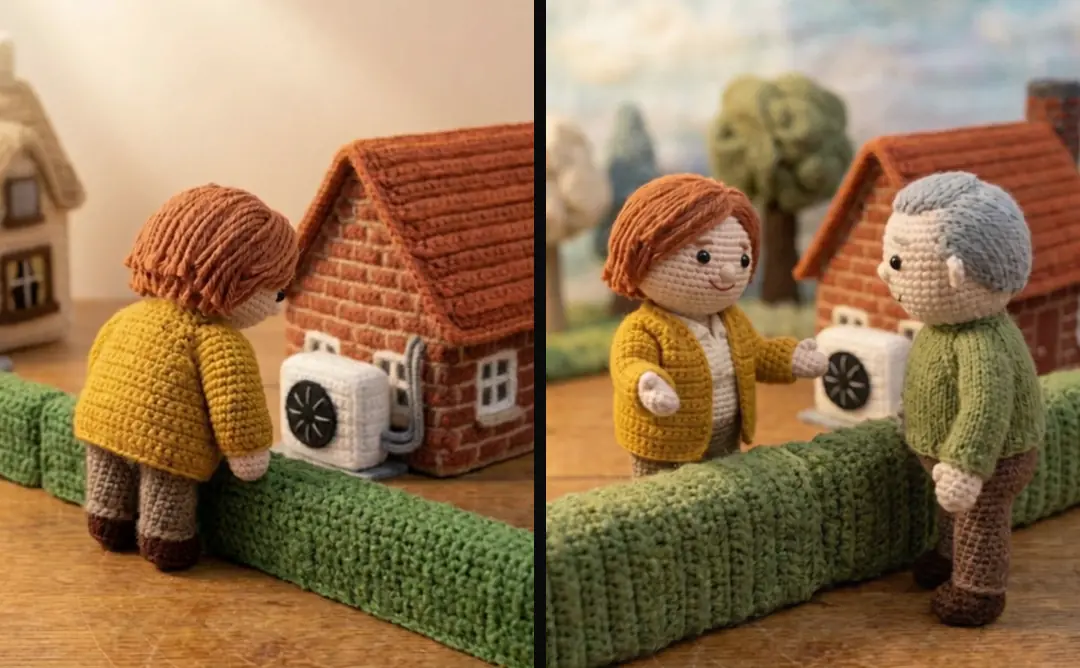
Our October 2026 method asks for a forced choice and a reason tied to something visible or spoken. A vague answer such as “A feels stronger” needs further inspection. Ask which moment caused that judgment and what the persona understood. Do not encourage the respondent to invent a purchase history or numerical forecast to make the explanation sound more realistic.
- 01State clarity questionChoose a defined pair
- 02Write persona perspectivesAvoid population claims
- 03Collect isolated choicesBalance order and save reasons
- 04Form production hypothesisConfirm with observed tests
Isolate responses and balance order
Keep each response independent of the others and balance which candidate appears first. A later response should not inherit another persona’s reasoning or a summary of the preferred choice. In our production in October 2026, independent calls and a single evaluation wave help preserve that boundary.
Save the complete prompt and raw response. A tidy aggregate can hide that several answers followed the same misunderstood instruction. Keep the pair IDs and presentation order beside each response so the operator can inspect whether the apparent preference changes with order. This is a process check, not proof that balancing removes every bias from a simulated response.
Read the reasons before counting choices
Look for concrete misunderstandings, missing context and conflicts between voice and picture. A choice count can summarize the exercise, but the reasons usually tell the writer what to inspect. Several personas may choose the same candidate for incompatible reasons.
Separate valid creative clues from unsupported assumptions. If a persona says a service is unavailable in its city, check whether the ad actually stated that fact. The model may have invented a limitation. If it misreads the product because the demonstration is cropped, inspect the actual frame. The author should repair a real ambiguity, not automatically accept every synthetic statement as a defect in the creative.
- Synthetic outputLocated confusionWhat it can supportScript or shot review
- Synthetic outputStated preferenceWhat it can supportA tentative creative direction
- Synthetic outputInvented buyer historyWhat it can supportNo factual conclusion
- Synthetic outputChoice countWhat it can supportSummary of this exercise only
Turn useful findings into a production hypothesis
Write the proposed change and the specific confusion it addresses. For example, show the divider moving before naming the organizer’s compartments. That is a hypothetical revision motivated by clarity, not a claim that the revised ad will sell more.
How many ad creatives? Plan useful variety first covers maintaining distinct creative directions across a test set. Meta Andromeda: what creative variety changes provides broader platform context, while City and language versions of one approved ad covers factual city and language variants. A persona’s preference should not authorize invented local availability or a new product statement. Keep the factual approval process separate from the pretest, even when a suggested line sounds persuasive.
Confirm with observed behavior
A synthetic exercise ends with hypotheses and caveats. Actual audience testing supplies a different kind of evidence. Preserve the question and candidate IDs so the team can compare what the pretest suggested with what was later observed.
In our October 2026 production method, synthetic results guide direction rather than replace real testing. Turntake’s production approach describes Turntake’s production approach. Do not describe this studio method as an available automatic forecasting feature.
For a suggested handoff, include the pair, question, persona descriptions, balanced order, raw reasons and proposed revisions. Label unsupported persona assumptions explicitly. The next writer can then use the exercise as a critique tool without mistaking a fluent fictional response for an observed buyer reaction. If the two candidates are both unclear, keep that conclusion rather than declaring the less confusing one ready for release.
Keep a dissenting reason in the handoff
A minority response may identify a genuine missing qualification even when most personas prefer the same candidate. Review the substance of that reason rather than discarding it because it loses the vote. Conversely, a repeated reason can still rest on an invented product assumption. The author should inspect the creative and source facts before deciding what to change. This preserves the exercise’s value as critique while avoiding the false authority of a synthetic majority.
Who wrote this We made the ads first, for SmartSolar in Denmark, Sweden and Ireland. Then we built Turntake. Where Turntake comes from
FAQ
What can a synthetic-persona pretest tell me?
Use synthetic personas to compare two ad versions and collect reasons, not to forecast sales or represent a real population. Hold the brief constant, require a choice, balance presentation order and inspect the raw explanations. Treat the result as a clue about clarity or objections, then confirm useful hypotheses with observed audience tests.
How should a synthetic persona be described?
Give each persona a situation, relevant concerns and level of familiarity with the product. Avoid pretending that a handful of demographic descriptions represents an entire market. The perspective is an input to the exercise, not a sampled person.
How do I compare a defined pair?
Choose two versions with a clear relationship. If the question concerns the opening, keep the body and closing instruction controlled. If the pair changes the voice, visual world and mechanism at once, the explanations may remain interesting but cannot isolate which change mattered.
How do I isolate responses and balance order?
Keep each response independent of the others and balance which candidate appears first. A later response should not inherit another persona’s reasoning or a summary of the preferred choice. In our production in October 2026, independent calls and a single evaluation wave help preserve that boundary.