ClaudeGuide
Can Claude edit video ads? Render from an edit file
Short answer
Claude can edit an existing video ad when it receives the media, a structured edit recipe and a renderer it is allowed to run. Bind the request to the approved version, describe limited edit operations, then inspect the resulting file. Keep generation, account changes and publication outside the editing job.
Start with an editable cut
“Replace the roof shot” sounds precise until an editor has to identify the cut, source interval and layers above it. Claude needs those relationships to make a bounded revision to an existing ad. A flattened video alone does not describe which assets and operations produced the shot. Tie the revision to the reviewed output and its editable recipe so the change can be rendered, inspected and reversed deliberately.
In our production in October 2026, we bind each final video to a machine-readable recipe and catalog clip IDs. That gives the next edit a starting point. The wider method is in claude for ads; this page concentrates on changing an existing cut without silently rebuilding its ingredients.
“Use the handle shot” is incomplete in a hypothetical kettle revision until the editor knows which cut and interval it replaces. Bind the request to the accepted output and recipe, then name the replacement asset and protected layers. The new render should be inspected with its neighboring shots. A successful local operation establishes that the change ran; it does not establish that captions, voice and visual continuity survived the revision.
Record the output ID and content hash alongside the recipe revision. A filename such as final-new.mp4 is a convenient label, but it is weak evidence that a note belongs to the file now open. A reviewer may have watched an earlier upload with the same name.
Before editing, compare the supplied hash with the file. If they differ, stop and identify which cut the reviewer meant. Do not transfer a timestamp by guesswork. A two-second change near the opening can move every later note, even when most of the visible content remains similar. The approved file, its recipe and its notes should form one explicit bundle.
| Check | Suggested action |
|---|---|
| Version | Match the note to the output hash |
| Assets | Resolve every referenced file |
| Layers | Require declared music and graphics |
| Review | Inspect revised interval and full cut |
Source: Turntake editorial checklist (proposed), October 2026.
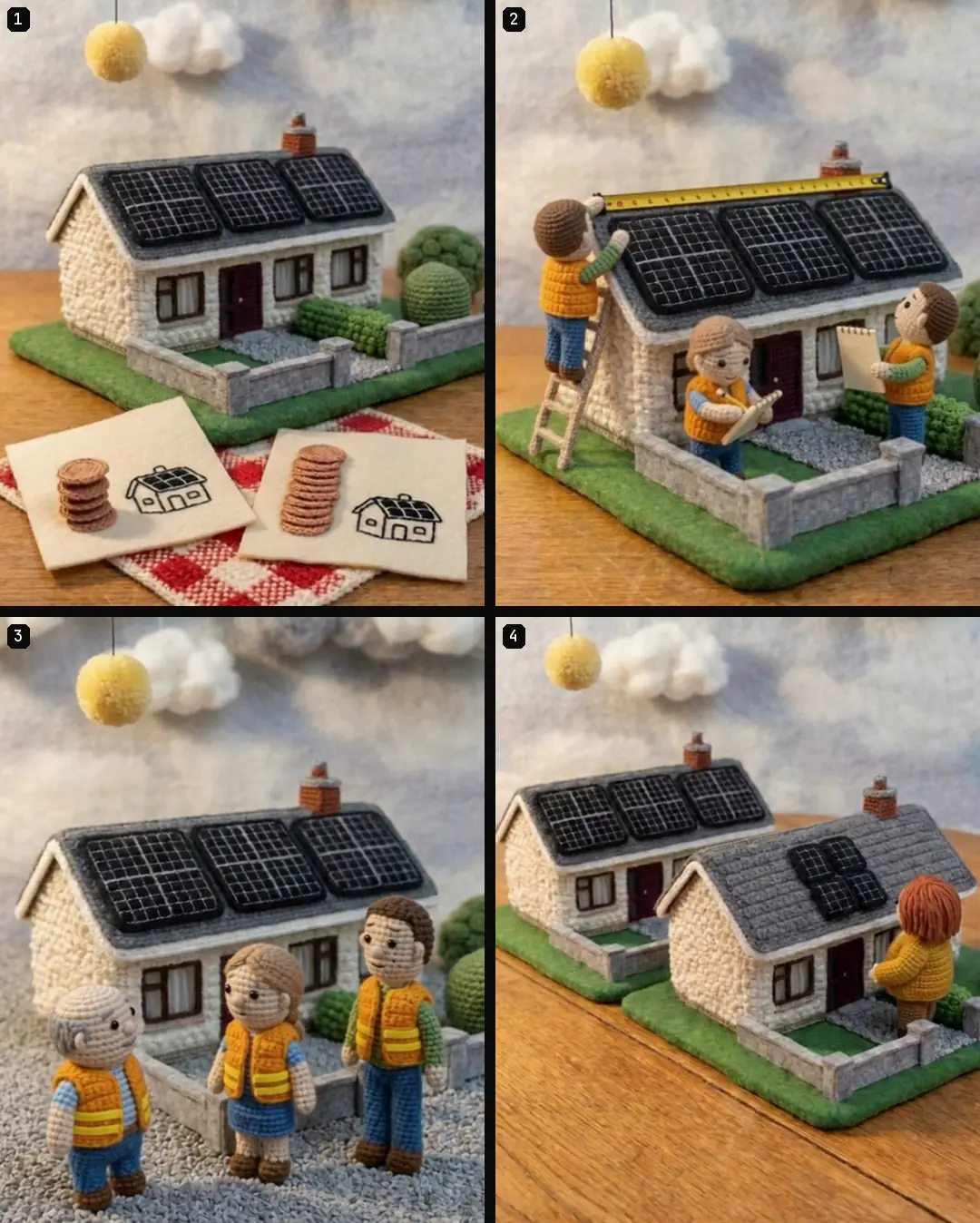
Translate feedback into limited operations
Write the desired change as an operation: replace clip ID roof-a with roof-c, shorten a source interval, move a caption group, or adjust the music bed. Include the interval and the expected effect. “Make it more dynamic” needs an editorial decision before it becomes a render task.
Keep source generation outside this operation list. Replacing a voice is a different job from moving an existing voice track. If a new recording is needed, prepare it through Connect ElevenLabs to Claude for ad voiceovers and approve the resulting audio first. Then give the editing agent that fixed asset. This prevents a small visual revision from changing wording or pronunciation elsewhere in the ad.
- 01Match output hashConfirm reviewed cut
- 02List edit operationsPreserve fixed assets
- 03Render new revisionKeep previous version
- 04Inspect changed intervalApprover reviews result
Limit the renderer a narrow working area
Anthropic documents tool permissions separately from written instructions. Use that distinction to limit what an editing job can execute. A sentence asking an agent to be careful is not the same control as a restricted tool configuration.
Our October 2026 editing setup starts only when a queued job exists and keeps web access, paid generation and the ad account outside that job. Give it the selected recipe, required media and an output directory. Make shared libraries readable rather than editable. For connected tools, inspect the MCP configuration, and preserve the separate account boundary described in Can Claude run Meta ads? Our read-only boundary.
Render a new version without replacing the old one
Create a new recipe revision and a new output path. Keep the previous final available for comparison. A reversible edit should be reversible in the files, not merely in a promise that somebody can reconstruct it later.
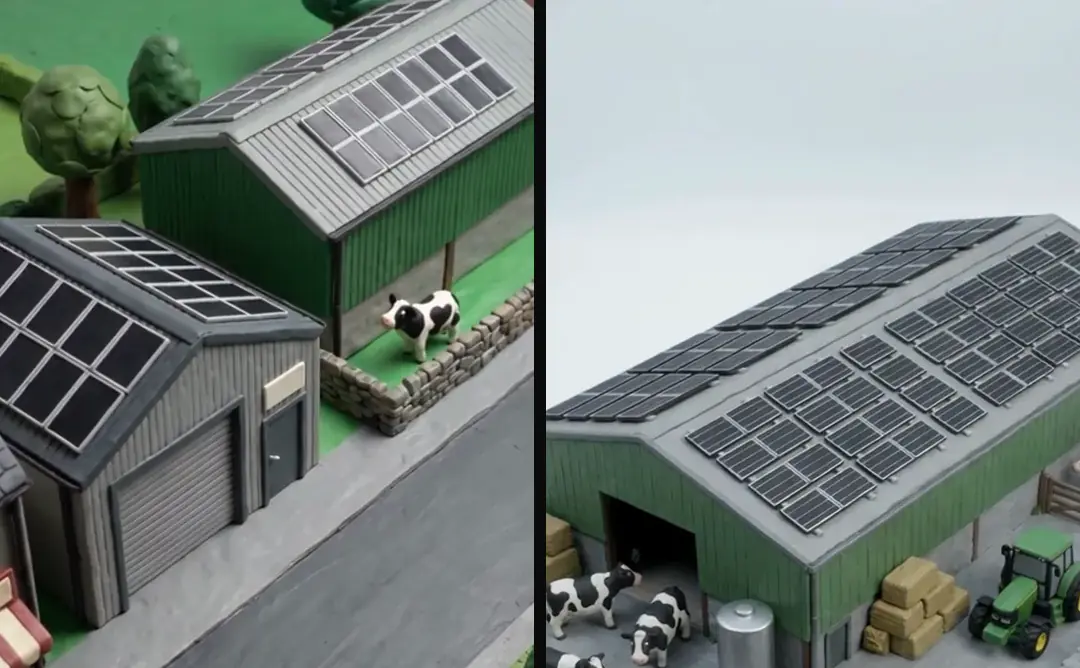
Validate the recipe before rendering. Resolve every clip reference, verify that source intervals exist and require the declared music and graphics. If the render route does not support a layer, return a clear failure. An apparently complete ad with a missing label is a worse review candidate than a stopped job with a useful explanation. After rendering, record the output hash and the exact operation list that produced it.
- Edit operationSwap approved clipSeparate jobGenerate replacement footage
- Edit operationMove caption timingSeparate jobRewrite a factual claim
- Edit operationAdjust existing musicSeparate jobCreate a new voice track
Inspect the changed interval and its neighbors
Start with the frame before the edited section, play through it and continue into the next shot. Check whether a replacement has introduced a glimpse of the talking head, cut off a word or hidden a persistent label. Then play the whole file with sound. Local edits can alter total timing and the ending.
In our production in October 2026, render-and-see checks remain necessary after mechanical fixes. A successful command does not establish that the picture communicates the intended point. Mark each note as addressed only after checking the new output. If a note cannot be fulfilled, leave it open with the reason instead of treating an attempted operation as a resolved request.
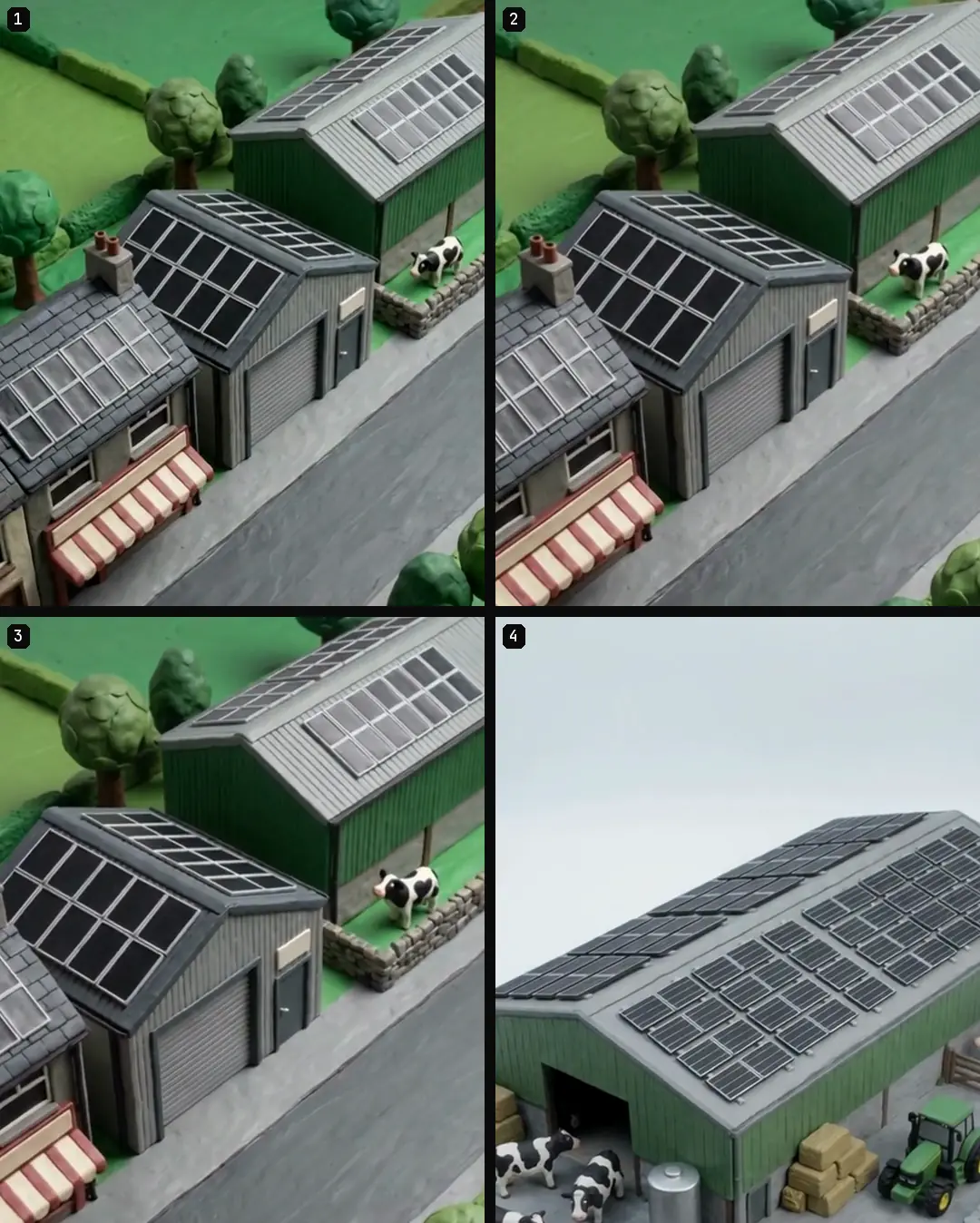
Keep editorial authority separate from tool access
An editor needs to know which words and labels are factual approvals, which decisions are stylistic and who can approve either. Moving a caption is usually an edit; changing the number inside it may change the claim. A narrow render job should preserve the approved wording and report that conflict.
Use Claude skills vs MCP for ad production to decide whether the missing piece is written method or an external tool. More tools will not fix an ambiguous note, and more instructions will not reconstruct an absent music track. Keep the product boundary visible through Turntake’s model plans: the described studio method should not be read as a promise that every existing video can already be edited through a self-service connection.
For a practical handoff, deliver the new video, its recipe, a compact list of changed intervals and any unresolved notes. The approver can then compare the intended change against the actual result. If the revision fails, return to the preserved version and revise the operation list rather than overwriting the reference that made the failure understandable.
Test the stop condition before real revisions
Use a copied recipe with one deliberately missing clip and confirm that the renderer returns an understandable failure. Then restore the clip and repeat the test. This is a proposed acceptance check, not a report of a new production experiment. It establishes whether the editing route stops before producing an incomplete review file. Also submit a note with the wrong output hash. The worker should report a version mismatch before making edits, preserving both the original reference and the evidence behind the note.
Who wrote this We made the ads first, for SmartSolar in Denmark, Sweden and Ireland. Then we built Turntake. Where Turntake comes from
FAQ
What does Claude need to edit an existing ad?
Claude can edit an existing video ad when it receives the media, a structured edit recipe and a renderer it is allowed to run. Bind the request to the approved version, describe limited edit operations, then inspect the resulting file. Keep generation, account changes and publication outside the editing job.
How do I identify the reviewed version?
Record the output ID and content hash alongside the recipe revision. A filename such as final-new.mp4 is a convenient label, but it is weak evidence that a note belongs to the file now open. A reviewer may have watched an earlier upload with the same name.
Which changes belong in an edit job?
Write the desired change as an operation: replace clip ID roof-a with roof-c, shorten a source interval, move a caption group, or adjust the music bed. Include the interval and the expected effect. “Make it more dynamic” needs an editorial decision before it becomes a render task.
How much tool access should an editor have?
Anthropic documents tool permissions separately from written instructions. Use that distinction to limit what an editing job can execute. A sentence asking an agent to be careful is not the same control as a restricted tool configuration.
Sources
- Anthropic: Claude Code permissions checked 11 October 2026
- Anthropic: Claude Code MCP checked 11 October 2026
Model facts come from each maker’s own documentation, checked on the date shown. Models change, so read the source again before you plan a batch.