ClaudeGuide
Can Claude run Meta ads? Our read-only boundary
Short answer
In our workflow, Claude can help analyze Meta ad material but does not run the account. We separate read access from changes, preserve evidence for recommendations and prepare a human handoff. A person checks the creative and performs the upload, with new items paused until that person decides to activate them.
Define what “run ads” means
Reading an ad report, drafting a new hook, uploading an ad and activating delivery are different operations. Combining them in one request obscures who authorized the change and what the agent actually did. Define the read-only boundary before giving Claude account tools, and keep production recommendations separate from account changes.
In our production in October 2026, ad-account analysis is read only. A person performs uploads and new items are created paused. This article explains that operating boundary, rather than promising an automatic account setup. claude for ads covers the wider Claude workflow; a factual recommendation can be useful without giving the same agent authority to execute it.
In a hypothetical review, Claude reads an exported report and suggests checking the opening’s product clarity. The suggestion can become a script draft without changing the ad account. Keep the report context attached and describe the creative explanation as a hypothesis. Upload or activation would require a separate authorized operation. A useful research assistant does not need account-writing authority merely because its recommendation may later influence a production choice.
Anthropic’s MCP guide explains external tool connections, while its permissions documentation describes tool access controls. Inspect both the connector and the tools it exposes. A server name containing “analytics” does not establish that every available operation is read only.
Give analysis only the access required for the defined dataset. Avoid copying a broad account credential into a general editor session. If you cannot establish the effective permissions, use an exported report that the analyst can read. That still permits useful comparison while leaving changes with the operator who owns the account. Do not infer the correct Meta scope names from this article.
| Check | Suggested action |
|---|---|
| Analysis | Use read access or an exported report |
| Evidence | Attach source and date range |
| Approval | Bind it to the asset version |
| Account | Human uploads paused and activates |
Source: Turntake editorial checklist (proposed), October 2026.

Keep observations separate from recommendations
An observation states what is present in the source: the date range, creative ID, visible opening and supplied metric definition. A recommendation proposes a next action. “This opening demonstrates the product earlier” is different from “replace the existing ad.” Preserve that distinction in the report.
Include the source row or file behind each material observation. If the report lacks a field, write “not available” rather than estimating it from a thumbnail or run date. Screenshots can support visible creative descriptions, but they do not expose every delivery setting. The report should allow a person to follow the evidence without reopening an entire chat history or trusting an unexplained summary.
- 01Read defined sourcePreserve report provenance
- 02State observationSeparate proposed change
- 03Build reviewed creativeKeep account tools out
- 04Human uploads pausedHuman decides activation
Prepare a bounded production handoff
A recommendation that requires a new creative becomes a production brief, not an account mutation. Specify the message, approved claims, assets, language and intended placement. Give the production agent a separate output directory and acceptance checklist. Keep the account connection out of that job.
In our October 2026 studio, a written brief precedes production. Claude skills vs MCP for ad production explains how written method and external tools play different roles. The visual brief may use the process in Write a Seedance prompt skill for Claude or Nano Banana in Claude: plan stills before motion, but those asset tasks do not authorize uploading their results. Each finished file still needs review against its own brief and a clear link to the intended campaign handoff.
Preserve evidence of the actual approval
Write down what the person approved, the asset version and any conditions. “Looks good” is ambiguous when the thread contains several cuts, alternative headlines and a proposal to change a setting. Quote or link the approval against the particular output ID and retain the exact file.
Separate factual approval from creative preference. A reviewer may approve pacing while leaving a product statement unresolved. Do not collapse those two statuses into a single green label. If the final render changes after approval, identify whether the change affects the approved scope. A revised claim, language or ending deserves a new review even when the filename remains similar.
- Agent outputEvidence reportHuman decisionAccept or reject recommendation
- Agent outputCreative packageHuman decisionApprove exact asset version
- Agent outputUpload checklistHuman decisionCheck account item and activate
Leave upload and activation with the person
The human upload handoff should contain the final media, the intended naming, the approved copy and a checklist for the account settings. In our production in October 2026, everything starts paused and a person decides whether to activate it after checking the result.
Paused is a staging condition, not evidence that the creative is correct. The person still verifies the destination, language, placement preview and supplied copy. An agent’s earlier recommendation should remain attached to the handoff so the operator can see the reason for the proposed test. Do not describe a prepared package as an uploaded ad, or an uploaded paused item as active delivery.
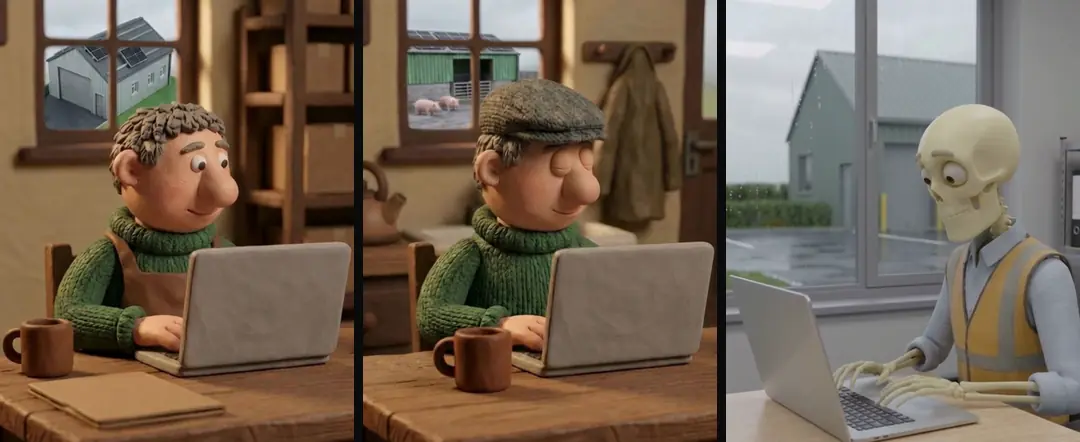
Report completion at the correct boundary
An analysis task can finish with an evidence report. A production task can finish with reviewed files. An upload task finishes only when the authorized operator has checked the created item. Use those concrete outcomes in the status note so later sessions do not infer that a recommendation already became a live change.
Keep uncertain data explicit: missing creative footage, incompatible reporting windows or an unavailable field can limit the conclusion. A useful report says what could be examined and what remains unresolved. It does not fill the gap with a confident ranking.
Turntake’s model plans sets out Turntake’s model plans. The account discipline here is a studio operating method. It is not a claim that Turntake currently manages arbitrary Meta accounts, activates ads or supplies an autonomous campaign operator. A reader should leave with a clear way to use analysis while preserving the person’s final authority over changes.
Handle an incomplete source without expanding access
If a report omits the creative, request an authorized export or link the row to a supplied media file. Do not respond to a missing thumbnail by giving the analyst a broader mutation credential. Keep the limitation in the recommendation: the report may support a metric comparison while leaving the visual explanation untested. This smaller conclusion is still useful. It tells the production owner what evidence to collect next before committing to a new creative direction.
Who wrote this We made the ads first, for SmartSolar in Denmark, Sweden and Ireland. Then we built Turntake. Where Turntake comes from
FAQ
Can Claude activate ads in your workflow?
In our workflow, Claude can help analyze Meta ad material but does not run the account. We separate read access from changes, preserve evidence for recommendations and prepare a human handoff. A person checks the creative and performs the upload, with new items paused until that person decides to activate them.
How do I establish a read-only boundary?
Anthropic’s MCP guide explains external tool connections, while its permissions documentation describes tool access controls. Inspect both the connector and the tools it exposes. A server name containing “analytics” does not establish that every available operation is read only.
What separates an observation from a recommendation?
An observation states what is present in the source: the date range, creative ID, visible opening and supplied metric definition. A recommendation proposes a next action. “This opening demonstrates the product earlier” is different from “replace the existing ad.” Preserve that distinction in the report.
What should a production handoff contain?
A recommendation that requires a new creative becomes a production brief, not an account mutation. Specify the message, approved claims, assets, language and intended placement. Give the production agent a separate output directory and acceptance checklist. Keep the account connection out of that job.
Sources
- Anthropic: Claude Code MCP checked 11 October 2026
- Anthropic: Claude Code permissions checked 11 October 2026
Model facts come from each maker’s own documentation, checked on the date shown. Models change, so read the source again before you plan a batch.