ClaudeComparison
Claude skills vs MCP for ad production
Short answer
Use a Claude skill to describe how a production task should be done, and MCP to expose an external tool or data source. A subagent is a separate worker context for a bounded assignment. Choose the missing piece first: method, access or delegated execution. Many workflows need more than one, with separate permissions.
Diagnose the missing piece before adding tools
Another connector will not repair an unclear production brief. When a task fails, the cause may be missing instructions, missing access or an assignment too large for one worker. Installing a connector addresses only one of those possibilities. Choose the missing capability deliberately rather than adding a skill, server connection and separate agent to every workflow.
Anthropic’s skills documentation describes reusable written instructions. Its MCP guide covers connections to external tools. Subagents provide separate working contexts. Those distinctions are useful in production because an agent can know the method and still lack the file, or reach the tool and still apply the wrong method.
A hypothetical narration task can fail for three different reasons. Missing pronunciation rules call for instructions; an unavailable audio operation calls for an appropriate connection; an unreviewed voice file calls for a defined review assignment. These are distinct needs even when one production uses all three. Diagnose the gap before installing anything, and check the available tool scope rather than assuming that a connection automatically supplies the project’s editorial method.
A useful ad-production skill specifies inputs, required decisions, output structure and stop conditions. It may point to scripts and examples, but it should not become a diary of every campaign. In our production in October 2026, the universal method and market-specific facts live separately.
For example, a motion prompt skill can require an approved reference and one clear action. The market profile owns the approved product wording and language. Mixing them would make every method update a chance to copy an outdated claim. Write a Seedance prompt skill for Claude develops that prompt example. Its value comes from constraining the task, not from granting access to a model endpoint.
| Check | Suggested action |
|---|---|
| Method missing | Write a skill and acceptance example |
| File unreachable | Fix access to the selected asset |
| Batch incomplete | Bound assignments and count outputs |
| Provider changed | Recheck versioned instructions |
Source: Turntake editorial checklist (proposed), October 2026.
MCP owns access to an external capability
An MCP server exposes tools or resources. The production question is therefore concrete: which operation can this connection perform, what inputs does it accept and what might it change? “Connected to voice” is too vague when a server can also modify account resources.
Inspect capabilities before choosing the connection for a workflow. If the immediate job is analyzing an exported report, a filesystem read may be enough. If the job needs a provider operation, select that tool deliberately and record the permitted scope. Written instructions should describe how to use it, while the client and account controls establish what it is allowed to do. These are related controls with different responsibilities.
- 01Name the failureMethod, access or execution
- 02Write the briefDeclare inputs and acceptance
- 03Inspect toolsPermit only needed operations
- 04Assign isolated workReview actual files
A subagent owns a bounded assignment
Choose a subagent when work can be isolated with clear inputs and a reviewable result. Splitting a batch by distinct assets is easier to coordinate than asking several workers to improve the same script simultaneously. Each worker needs an output directory, acceptance criteria and a limit on tool use.
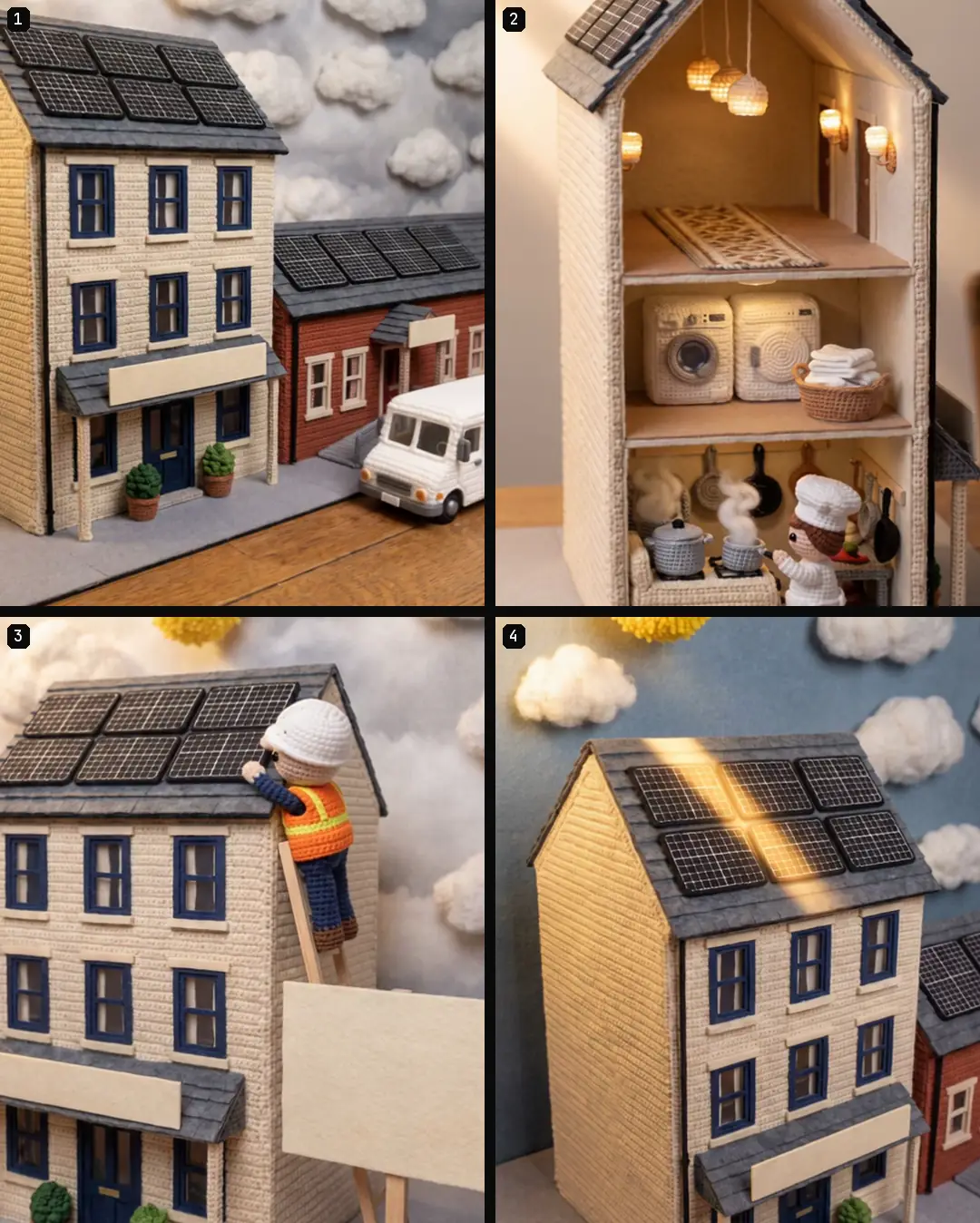
In our October 2026 production, written briefs and separate working areas keep parallel jobs from changing shared scripts underneath one another. A subagent does not automatically receive sound judgment merely because its context is separate. An ambiguous assignment can still produce an ambiguous result. Run AI agents on an ad batch: briefs and boundaries covers asset-level division and the merge checks that matter before those outputs enter a shared batch.
Compare the three failure modes
Suppose an assistant is asked to prepare a short product ad. It produces an attractive scene with the wrong product material. That is a specification or review problem. Giving it another connector will not teach it which material is approved. Update the brief and reference asset first.
Now suppose it has a precise still brief but cannot retrieve the selected source photograph. That is an access problem. A skill repeating “use the reference” does not make the file reachable. Finally, suppose it can reach every asset and knows the method, but a large batch leaves half the files missing. That suggests assignment size, state tracking or execution boundaries need attention. Count the actual outputs before diagnosing the cause.
- NeedRepeat your methodAppropriate pieceSkill
- NeedReach external operationAppropriate pieceMCP tool
- NeedSplit bounded production workAppropriate pieceSubagent
- NeedChange account authorityAppropriate pieceExplicit permission control
Keep instructions from drifting
Date version-sensitive instructions and link to the original documentation. Avoid duplicating a provider setup command in multiple skills. A single canonical reference is easier to update than several almost identical copies. The skill should explain when to consult that reference and what must be verified before a run.
Separate durable rules from temporary status. “Keep credentials out of chat” is a durable rule. “The first sample is approved” belongs in the current task record with the asset ID. Copying that approval into a general skill could cause the next batch to inherit a decision that was never intended for it.
Review instructions after a model or tool change. Run a small acceptance example and inspect the result. An updated tool description may change a field name or the meaning of a setting. Preserve the previous accepted example so the change can be compared without pretending the old output proves current behavior.
Build one concrete workflow end to end
For a hypothetical still-to-motion job, start with a written brief naming the product, reference, permitted camera movement and required output. The skill translates that brief into a prompt. A selected tool submits the job. A separate reviewer compares the returned media with the reference and acceptance list.
The review should check product shape, framing, action and any readable text. If it fails, return a defect report to the author instead of allowing the reviewer to rewrite the reference silently. Nano Banana in Claude: plan stills before motion explains the still stage, while claude for ads connects the pieces into the wider studio workflow.
For each boundary, ask what evidence crosses it. The writer hands over a prompt and reference ID. The operator hands over a request ID and actual file. The reviewer hands over findings linked to that file. This makes the workflow understandable even when the individual workers or tools change.
Turntake’s model plans describes the planned model connection in Turntake. The distinctions on this page are a method for choosing instructions, access and workers. They should not be read as a claim that a generic connection already assembles the whole system for you.
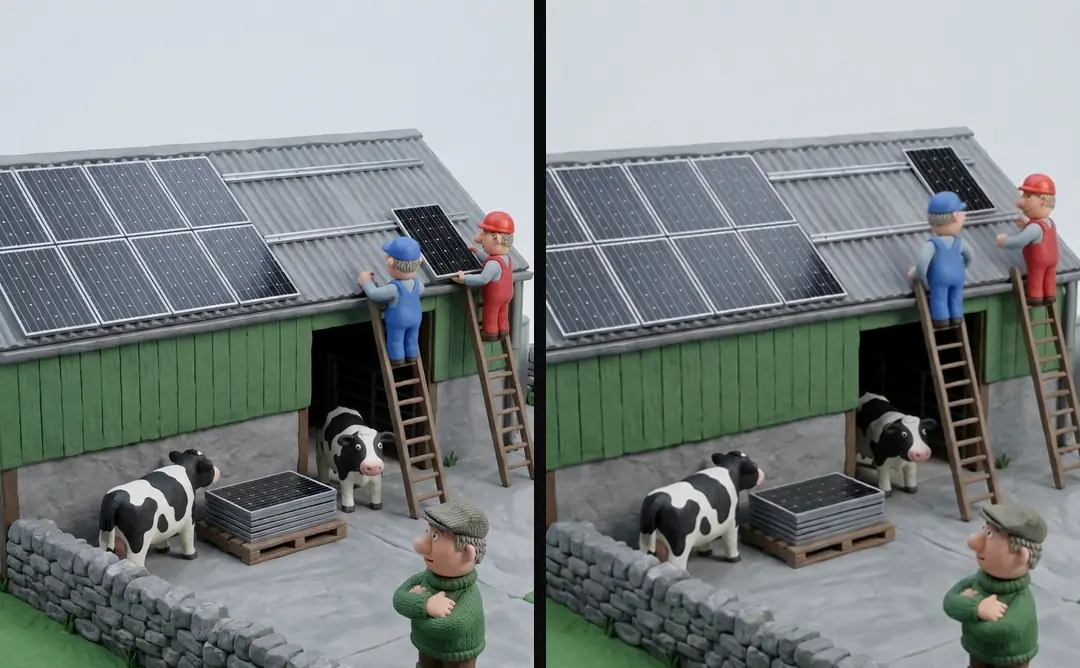
Test each component independently
A useful setup test has three parts. First, give the skill a complete fictional brief and inspect the written output without calling any external tool. This checks whether the method preserves references, wording and acceptance conditions. Second, inspect the selected connector with a narrowly permitted operation and record what it actually returns. This checks access without confusing a successful connection with a successful creative. Third, give a worker the fixed inputs and require a manifest of its outputs. This checks assignment boundaries and completion reporting.
When something fails, repair the component that owns the failure. If the prompt changes the approved product color, revise the skill or brief. If the tool cannot retrieve the chosen file, correct the access path. If the worker omits two assigned assets, use the manifest to reassign those specific outputs. Running every component again can hide which change solved the problem and may repeat operations that already succeeded.
Keep these small acceptance examples with the project. They make later changes reviewable: a new skill revision, connector route or worker configuration can be compared with the same inputs. The examples are proposed checks, not claims that a particular product configuration has been tested in our studio.
Who wrote this We made the ads first, for SmartSolar in Denmark, Sweden and Ireland. Then we built Turntake. Where Turntake comes from
FAQ
How do I choose between a skill and MCP?
Use a Claude skill to describe how a production task should be done, and MCP to expose an external tool or data source. A subagent is a separate worker context for a bounded assignment. Choose the missing piece first: method, access or delegated execution. Many workflows need more than one, with separate permissions.
What should an ad-production skill contain?
A useful ad-production skill specifies inputs, required decisions, output structure and stop conditions. It may point to scripts and examples, but it should not become a diary of every campaign. In our production in October 2026, the universal method and market-specific facts live separately.
What does an MCP connection provide?
An MCP server exposes tools or resources. The production question is therefore concrete: which operation can this connection perform, what inputs does it accept and what might it change? “Connected to voice” is too vague when a server can also modify account resources.
When should I assign a subagent?
Choose a subagent when work can be isolated with clear inputs and a reviewable result. Splitting a batch by distinct assets is easier to coordinate than asking several workers to improve the same script simultaneously. Each worker needs an output directory, acceptance criteria and a limit on tool use.
Sources
- Anthropic: Claude Code skills checked 11 October 2026
- Anthropic: Claude Code MCP checked 11 October 2026
- Anthropic: Claude Code subagents checked 11 October 2026
Model facts come from each maker’s own documentation, checked on the date shown. Models change, so read the source again before you plan a batch.