The ad factoryGuide
Write a video ad brief an editor can act on
Short answer
A useful video ad brief tells the editor who the ad is for, what the viewer should do, what the message means, and which evidence and assets support it. Add constraints and acceptance criteria before production. Describe decisions that can be checked, rather than asking for a vaguely stronger or more dynamic edit.
An editor should not need to reconstruct a conversation to understand the requested ad. Write the audience situation, message, evidence, available assets, constraints, and acceptance checks into a brief that can guide the first take. Make unresolved decisions visible so the editor knows which choices are open and which statements already have support.
State the audience situation and action
Describe the relevant situation instead of a long invented biography. For a hypothetical reusable container, the audience might be people arranging a crowded kitchen shelf. The action might be to view the real product details on the brand’s page.
Keep that action literal. “Create interest” does not tell the editor how the ending should work. Name what the viewer is asked to do and what screen or card can show it. If the actual next step has not been chosen, mark it unresolved before production rather than leaving the editor to invent a destination.
Write one message in plain language
State what the ad should help the viewer understand. A useful message can be shown or explained: the container opens in a particular way, or its compartments separate specific objects. Broad quality adjectives leave too much room for unsupported interpretation.
In our production in October 2026, research precedes format selection. Apply that order by settling the point before requesting a particular animation world or narrator. ai ugc ads workflow covers the complete workflow. The creative style should serve the message, rather than become the only concrete instruction in a brief that has no clear argument.
| Brief field | Hypothetical container example |
|---|---|
| Situation | A crowded kitchen shelf |
| Message | Show how the lid opens with the actual mechanism |
| Evidence | Real complete opening take |
| Action | View the approved product details |
Source: suggested production checklist, October 2026. Examples are hypothetical.
Attach evidence to each factual statement
List the source supporting the claim and the footage showing the relevant action. Distinguish an approved statement from a proposed line still awaiting review. An editor should not need to infer permission from a polished script.
In our production in October 2026, artificial personas do not invent personal product results. Apply the same limit to a fictional sample brief: do not add a supposed customer quote to make it feel complete. A real demonstration can carry the argument without an invented endorsement. Keep unsupported ideas out of the approved-copy section.
A hypothetical shelf brief gives the editor a specific task supported by identified footage. The attachment close-up carries the explanation; the exterior can establish context. Neither supplies evidence for a strength claim or an owner statement. Write those limits alongside the acceptance checks before the first take. The reviewer can then point to missing contact, an incomplete attachment, or an unreadable close instead of reopening the entire creative conversation.
Describe the assets the editor can actually use
List source IDs, usable intervals, audio, graphics, and any known restrictions. Separate ready assets from material that must be filmed or generated. “Use our library” is not enough when the key mechanism has no usable source.
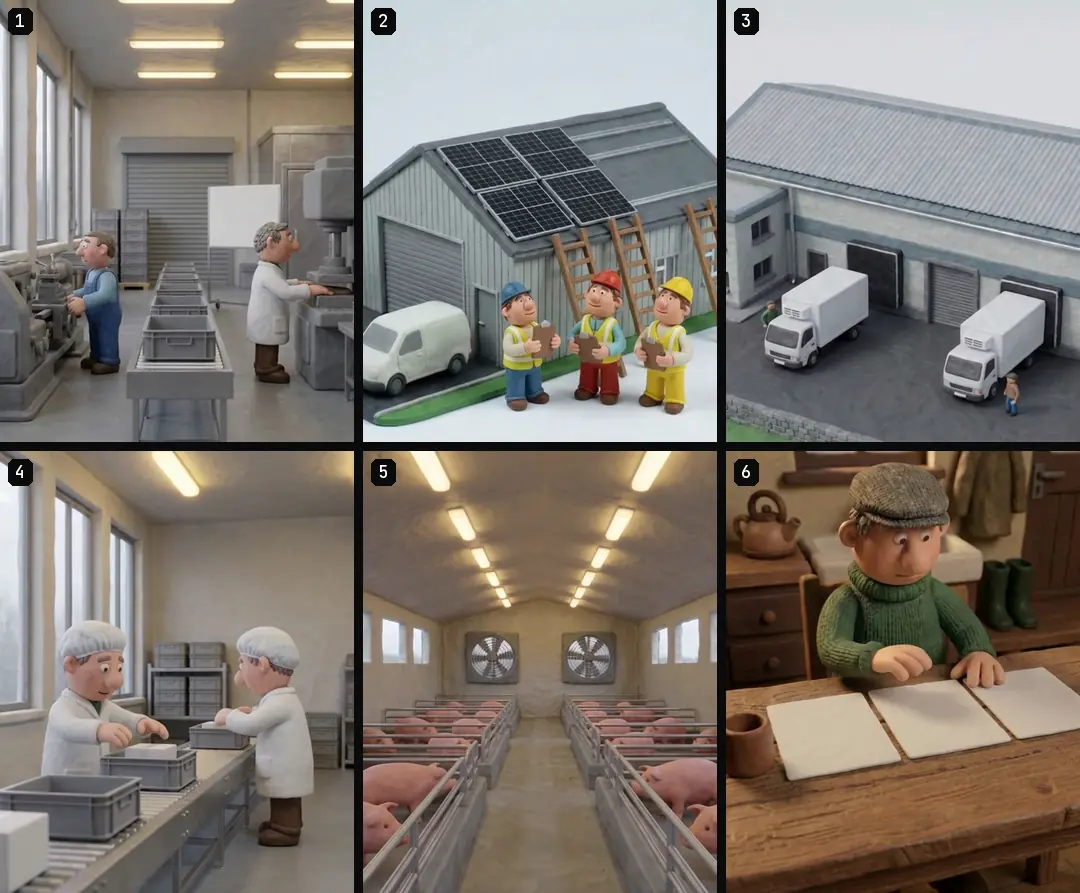
Storyboard an AI video ad before generating shots explains turning the brief into a storyboard. The storyboard should expose missing coverage while the plan is still easy to revise. If the opening needs a tight product detail, identify that source explicitly. If the close needs a real interface recording, include the correct screen or name the person responsible for capturing it.
Write constraints as decisions with reasons
Specify the output shape, caption treatment, audio role, protected areas, and any prohibited imagery. Explain a constraint when the reason changes the editor’s choice. A real product demonstration may require an unobstructed hand contact point; a generic “keep it clean” instruction does not convey that need.
Avoid mixing preferences with requirements. “Prefer a quiet opening” leaves room for discussion; “the required condition must remain readable” is an acceptance constraint. Use distinct labels so an editor does not spend time negotiating something already settled or treat an unresolved style idea as an absolute rule.
- 01State situation and actionLiteral viewer next step
- 02Lock message and evidenceOne supported point
- 03List sources and constraintsReady versus missing
- 04Define acceptanceReviewable first take
Add acceptance checks the reviewer can perform
Write checks about the delivered result: the complete opening action is visible, the approved voice says the correct name, the final action is readable, and the source media is traceable. A check should make a rejection understandable.
In our production in October 2026, the plan receives mechanical checks before delivery and the final video receives visual inspection. Both belong in the brief. A passed duration check does not establish truthful product behavior; a pleasing preview does not establish that all captions and media files are included. Give each check a clear owner.
- Vague briefMake it more dynamicActionable briefShow the complete opening action
- Vague briefUse the libraryActionable briefName source IDs and usable ranges
- Vague briefMake the ending strongActionable briefShow the actual next step readably
Keep the sample script subordinate to the evidence
A short illustrative line might be: “Lift here, then fold the lid back.” It belongs only if the actual footage shows that action and the product supports it. Write a product demo ad around a visible action covers the demonstration script in more detail.
Do not let the voice run ahead of the action just to fit an arbitrary duration. Change the wording, the shot range, or the plan before asking the editor to hide the mismatch. The brief should make such tradeoffs visible, with the evidence requirement taking priority over a decorative timing preference.
Version the brief with the take
Give the brief a version and preserve decisions made during review. If the owner changes the message, update the approved section and state which assets or checks are affected. Edit before-and-after footage with honest continuity covers a before-and-after edit comparison that can make the requested change concrete.
Turntake’s production workflow describes the production approach. Deliver the brief, sources, open questions, and first review criteria together. The editor should know what they can decide independently and what still needs the owner. A complete brief makes the first take reviewable because the audience action, message, evidence, and acceptance boundaries are all visible.
Who wrote this We made the ads first, for SmartSolar in Denmark, Sweden and Ireland. Then we built Turntake. Where Turntake comes from
FAQ
What is the minimum useful creative brief?
Include the audience situation, intended action, one message, supporting evidence, available assets, constraints, and acceptance checks. Keep unresolved decisions labeled. The editor should be able to explain what the first take must show without reconstructing a conversation.
Should the brief choose the style first?
Settle the message and evidence before the presentation format. A style reference can guide production, but it does not replace the argument or prove a product claim. Choose the visual world that helps show the approved point.
What makes an acceptance criterion useful?
It describes something a reviewer can check in the delivered take, such as a visible complete action or a readable required condition. Name the owner and the evidence. Vague demands for a stronger edit do not identify the actual decision.
How should I handle missing footage?
List the missing source separately from ready assets and assign a filming or sourcing task. Do not let a sample script imply that the evidence already exists. A storyboard can expose the gap before the editor begins assembling the take.