The ad factoryGuide
Adapt video ads to new aspect ratios shot by shot
Short answer
Adapt a video ad to another aspect ratio shot by shot. Reframe the speaker and product according to each beat, rebuild caption layout and position graphic anchors for the new frame. Preserve factual qualifications and inspect the complete version on a phone. A blind center crop can keep the file valid while removing the information the ad needs to communicate.
Treat each ratio as a composition decision
A new rectangle changes the relationship between the speaker, product, captions and interface overlays. Decide what must remain visible in each shot before exporting another size. Rebuild the composition and text layout around the essential action, then inspect the complete version rather than just its opening frame.
In our production in October 2026, important content is checked inside the intended viewing area. ai ugc ads workflow describes the wider workflow. This guide focuses on adapting an existing approved story, rather than assuming that changing output dimensions preserves the same message. Keep the source version and create an identified candidate for every new ratio.
In a hypothetical tap demonstration, the hand’s contact with the valve explains the action. A square crop centered on the speaker’s face might retain an attractive portrait while removing that contact. Reframe the shot around the mechanism and rebuild caption groups for the available width. Then watch the entire action, including its entry and finish. Correct dimensions establish file shape, but the accepted crop must still preserve the explanation and required condition.
The speaker may carry an emotional reaction, while a product detail carries a mechanism. Reframe according to that role. A crop that keeps the face centered can remove the control the line is explaining; a crop that follows the control can remove the expression the next beat needs.
Write the subject and required evidence in the shot register. For a hypothetical workshop sequence, the wide view may need both person and bench, while the close demonstration needs the divider’s complete motion. Do not apply one crop rule to both. The ratio adaptation should preserve the visible job of each shot, even when that requires another source angle or a deliberately composed background.
| Check | Suggested action |
|---|---|
| Subject | Choose crop by shot purpose |
| Text | Review wording, timing and layout |
| Graphics | Preserve claim and qualification relationship |
| Version | Approve each ratio separately |
Source: Turntake editorial checklist (proposed), October 2026.
Reframe people and objects independently
When the source has enough space, choose the crop that preserves the intended relationship. When it does not, consider a different clip, a designed layout or a separate shot. Avoid scaling everything so small that the product and speaker both lose their function.
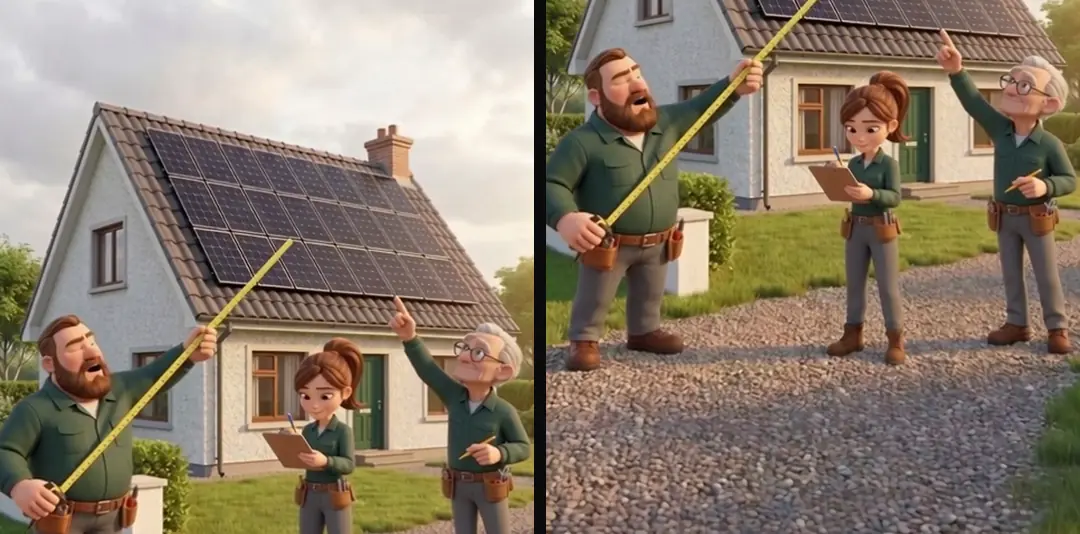
Keep factual product shape unchanged. A synthetic extension around a real object can introduce details that were not present in the source. If background illustration is used, distinguish it from product evidence. Why AI ads feel uncanny: the details to inspect covers uncanny visual details that can distract from an otherwise clear story. Inspect edges, hand positions and the object’s complete action in the new composition rather than judging only the opening frame.
- 01Name shot subjectPreserve its communication job
- 02Choose new cropKeep complete product action
- 03Rebuild text and anchorsRetain factual qualifications
- 04Review full versionApprove exact ratio
Rebuild caption groups for the new width
A narrower frame may require different grouping or line breaks. Keep the words and timing connected to the approved voice while adjusting their layout. Do not shorten a factual qualification casually to make a line fit.
In our production in October 2026, captions preserve standard text and follow the voice’s timing. Write UGC scripts that sound spoken covers the script’s spoken logic. If a phrase needs rewriting for the new presentation, return that wording for approval instead of treating it as a purely geometric edit. Check names and negations after layout changes, because a line break or hidden group can alter what the viewer reads.
Position graphic anchors in the new frame
A screen-fixed heading and a label attached to an object need different handling. Recalculate the intended anchor and inspect it through the shot. A label can remain inside the frame while pointing to the wrong object after reframing.
Keep required graphics and their timing in the recipe. If the new layout cannot display a qualification with its claim, change the composition or presentation. Do not move the qualification to an unrelated ending solely to keep the image clean. The factual relationship should survive the ratio adaptation as clearly as the product itself.
- ElementSpeaking faceAdaptation decisionPreserve intended expression
- ElementProduct actionAdaptation decisionKeep complete evidence visible
- ElementCaption groupAdaptation decisionReflow without changing meaning
- ElementObject labelAdaptation decisionRecheck anchor through motion
Review full playback at delivery size
Play each version on a phone-sized display with sound and inspect a silent pass for text. Check opening, mechanism, transition into the ending and final instruction. A correct still crop does not establish that moving subjects stay visible throughout the clip.
Compare the output with the approved source to identify intentional and accidental changes. Localize video ads without translating the script covers localization, another revision type where the body may remain similar while timing and text need separate review. Keep ratio and language decisions distinct in the manifest. A localized square version should identify both transformations rather than inherit a vague approval from the original tall file.
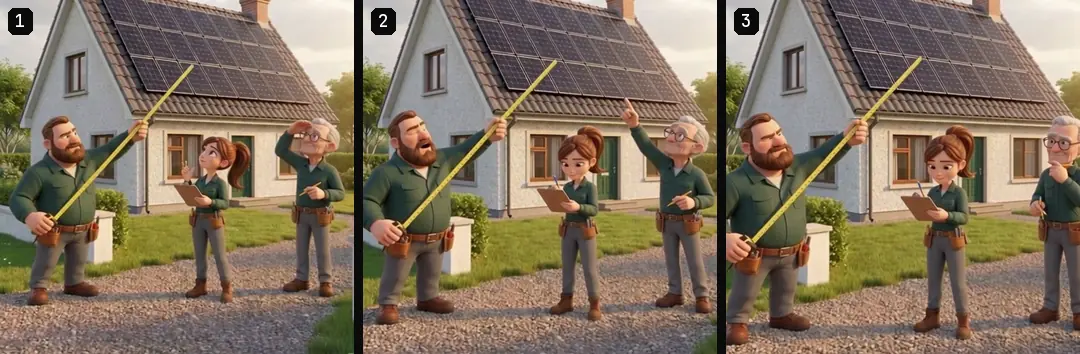
Approve each ratio as its own version
Record output ID, ratio, source parent, changed crops, caption revision and required graphics. The final approver should know which package they watched. Keep the previous version available for comparison and restoration.
Turntake’s production approach describes Turntake’s production approach. This is a shot-level adaptation method, not a promise that an automatic resize preserves every creative without review.
For a suggested coverage test, pause at the farthest position of each moving subject and inspect the full action. A hand entering from the side may be cropped even when the product remains centered. If the evidence disappears at that moment, choose another crop or source shot. A technically valid export should still show the part of the action that makes the spoken explanation true and understandable.
Check a crop through the whole action
For a hypothetical divider demonstration, inspect the closed state, the hand entering, the complete removal and the ending. A square crop might show the product clearly while excluding the removed divider at the decisive moment. Choose another framing or source instead of relying on narration to explain invisible evidence. Record the change in the ratio version’s shot notes. The final reviewer can then check the intended adaptation rather than approving a general statement that the video was resized.
Who wrote this We made the ads first, for SmartSolar in Denmark, Sweden and Ireland. Then we built Turntake. Where Turntake comes from
FAQ
How should I create different aspect-ratio versions?
Adapt a video ad to another aspect ratio shot by shot. Reframe the speaker and product according to each beat, rebuild caption layout and position graphic anchors for the new frame. Preserve factual qualifications and inspect the complete version on a phone. A blind center crop can keep the file valid while removing the information the ad needs to communicate.
How do I name the important subject in each shot?
The speaker may carry an emotional reaction, while a product detail carries a mechanism. Reframe according to that role. A crop that keeps the face centered can remove the control the line is explaining; a crop that follows the control can remove the expression the next beat needs.
How do I reframe people and objects independently?
When the source has enough space, choose the crop that preserves the intended relationship. When it does not, consider a different clip, a designed layout or a separate shot. Avoid scaling everything so small that the product and speaker both lose their function.
How do I rebuild caption groups for the new width?
A narrower frame may require different grouping or line breaks. Keep the words and timing connected to the approved voice while adjusting their layout. Do not shorten a factual qualification casually to make a line fit.