ModelsGuide
Lip-sync for dubbed ads: when the mouth must match
Short answer
Choose the audio route before changing a speaking ad. Dubbing keeps the visual performance and replaces speech; revoicing changes the delivery; regeneration creates new pictured speech. Approve the target-language script and audio first, then inspect visible mouths through the cut. A convincing lip-sync does not validate an invented personal claim.
A translated voice can fit the script while contradicting the mouth and gestures on screen. Decide which parts of the original performance must survive the language change, then approve the new audio before reviewing synchronization. Keep pronunciation, visible speech, timing, and silent coverage as separate decisions so one acceptable layer does not conceal another mismatch.
Name the requested change precisely
Use dubbing to mean replacement speech over an existing visual performance. Use revoicing to mean a change in voice delivery or speaker on an approved script. Use regeneration when the pictured performance itself must be made again. These are working production definitions for this guide, not universal vendor categories.
Ask what the owner wants preserved: face, gesture, exact sentence meaning, shot timing, or all of them. If the new language requires different pacing, keeping every visual beat at its old timestamp may be impossible without a revised cut. Make that conflict visible before anyone approves the job.
Approve the target-language script
Translate meaning and evidence rather than copying sentence length. A product statement must remain true in the new wording. A local expression can be natural while still adding a stronger claim, so review the actual assertion as well as the tone.
In our production in October 2026, scripts for languages we do not speak receive a language review and a short voice sample before generation. AI video start and end frames: plan the shot covers compatible visual endpoints when the picture must be regenerated. Give the reviewer the context of the pictured action: a line describing something happening “now” needs to match the visible demonstration, not merely read well in isolation.
| Route | What stays fixed | What needs new approval |
|---|---|---|
| Dub existing performance | Source picture | Translation, voice, mouth fit |
| Revoice approved wording | Meaning | Delivery and new timing |
| Regenerate speech picture | Character reference | New pictured performance and audio |
| Narrate over silent b-roll | Visual evidence | Narration and cut relationships |
Source: suggested production checklist, October 2026.
Lock the audio before evaluating mouths
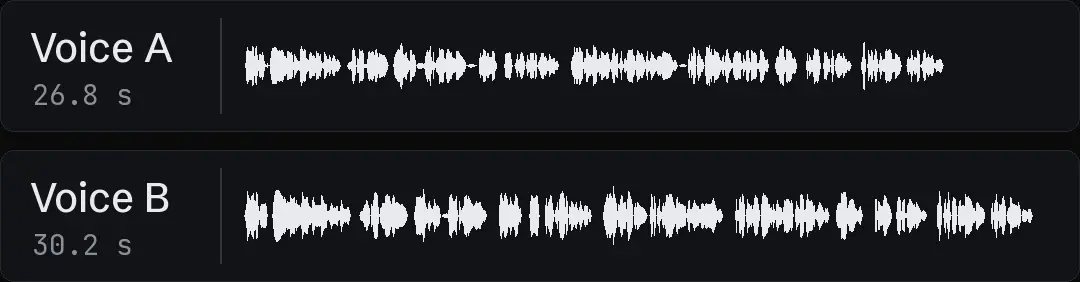
Listen to the complete target voice first. Check names, numbers, negations, and the final action sentence. Keep that accepted file identifiable. A lip-sync result made from an earlier audition should not enter the edit simply because the face looks right.
Our production method creates a word map from the actual voice and uses it to retime existing beats where appropriate. If a line is too long for the available visual, rewrite or restructure before forcing the picture to accommodate it. Why AI video text breaks and how to keep it legible explains why captions and other essential text need their own accurate layers.
A hypothetical handle instruction keeps the action and direction fixed while the spoken language changes. Approve the translated meaning and pronunciation before reviewing the visible mouth, gesture, and timing. A pointing movement that matched the original phrase may now arrive too early. If the performance cannot support the accepted line, consider appropriate silent coverage of the handle; silent coverage changes the edit, while any retained speaking shot still needs a separate synchronization check.
Inspect the mouth when it is visible
Mark every interval in which the speaker’s mouth is large enough to judge. Watch starts and ends of phrases, closed-lip consonants, and pauses when the mouth should settle. The review should cover the actual selected interval, including its join to neighboring shots.
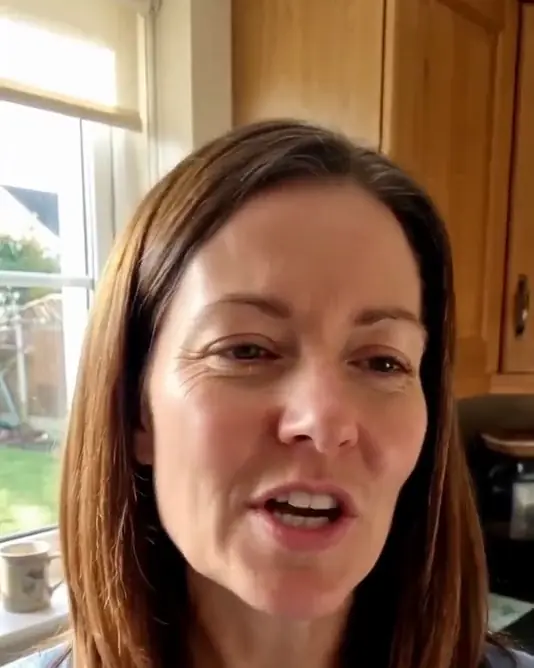
A wide shot can make mouth movement less prominent, but it does not turn visibly wrong speech into correct synchronization. Choose silent b-roll because it suits the explanation, rather than as a reason to label an unreviewed speaking shot approved. The cut should remain understandable when the viewer notices who is speaking.
Separate narration from visible speech
In our production in October 2026, some non-English animation edits use a separate narrator over silent characters because earlier generated lip-sync did not meet our needs. That is a dated observation from our route, not a statement that a named model cannot handle a language.
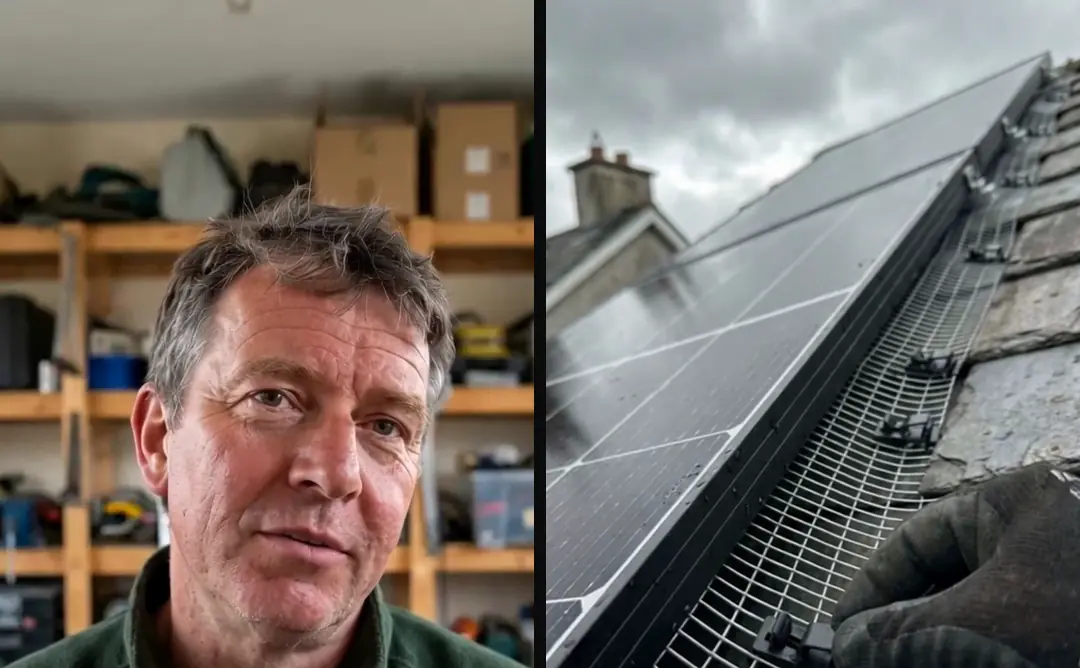
For that structure, characters do not appear to deliver the narrator’s lines. A small figure working at a table can support an explanation without pretending to speak. If the story needs direct address, use a properly reviewed speaking route instead. AI video hands: inspect the action before motion discusses hand-action inspection, which should stay distinct from language approval.
- 01Define the routeDub, revoice, or regenerate
- 02Approve target audioMeaning and pronunciation
- 03Inspect visible mouthsReview selected intervals
- 04Rebuild the cutNew captions and honest coverage
Preserve the role of the person on screen
An artificial spokesperson should not be introduced as a real buyer describing an experience that never occurred. Dubbing can make that mistake more convincing because the performance feels personal. Review first-person lines separately from general narration.
For a hypothetical kitchen-product ad, a fictional narrator can explain how the object is intended to work. A line claiming “I used it every day for a year” needs real supporting provenance. Mouth accuracy does not supply that provenance. Keep the person’s role in the script brief and carry it into the target-language review.
- Visible speaking shotReview mouth movementSilent narrated shotReview visual relevance
- Visible speaking shotVoice belongs to the pictured performanceSilent narrated shotVoice explains the pictured action
- Visible speaking shotKeep the person’s role explicitSilent narrated shotKeep the evidence role explicit
Rebuild affected captions and cuts
New audio means new word times. Keep the approved written spelling in captions while aligning it to the target take. If the spoken name uses a pronunciation aid, that input should not become the reader-facing spelling.
Watch the final action sentence with picture and text together. A longer translation may crowd the close even when the opening fits. Extend an honest shot, use suitable alternative coverage, or shorten the approved line. Do not hide part of the required meaning just to preserve the old export duration. Review each changed interval after rendering.
Deliver the route, not only the final video
Package the source visual, target script, approved voice, word map, chosen speaking intervals, and synchronization notes. Identify which audio track is authoritative and whether any source speech must be muted. Keep the previous approved version for comparison.
seedance vs kling vs veo gives the broader model context, and Turntake’s models plan shows the planned model connection as Coming. The workflow here is our production method, not an assertion that Turntake already translates and lip-syncs any uploaded ad automatically. A good handoff lets the next editor change coverage without losing the approved words or the person’s honest role.
Who wrote this We made the ads first, for SmartSolar in Denmark, Sweden and Ireland. Then we built Turntake. Where Turntake comes from
FAQ
What is the difference between dubbing and regeneration?
In this guide, dubbing replaces speech over an existing picture, while regeneration creates a new pictured speaking performance. Define what must remain fixed before choosing. Vendor labels can vary, so describe the intended visual and audio change explicitly.
Should I approve lip-sync before the voice?
Approve the script and voice first. The mouth review should use the audio that will actually ship. If pronunciation or meaning changes afterward, inspect the resulting speaking interval again and rebuild any affected captions or cuts.
Can b-roll solve a long translation?
Suitable b-roll can give the new sentence room when it genuinely supports the explanation. It should not imply unshown product behavior or conceal a misleading claim. Rebuild timing around the approved target voice rather than forcing old timestamps.
Does convincing speech make an artificial testimonial acceptable?
A convincing performance does not establish that the pictured person had a real experience. Keep fictional spokesperson roles clear and require evidence for personal statements. Review those claims independently of voice quality, mouth movement, and translation fluency.